As the weather turns cooler and temperatures fluctuate between day and night, symptoms such as coughing, a runny nose, nasal congestion, and a sore throat become increasingly common. You might wake up with an irritated throat and start sneezing or experiencing a runny nose later in the day. It is easy to assume that you have simply caught a cold and that a few days of rest and plenty of fluids will solve the problem.
However, symptoms that seem like an ordinary cold can also be associated with different respiratory pathogens. Understanding common respiratory infections and the role of testing can help us respond more appropriately to the signs our bodies show.
Respiratory infections can be caused by various viruses and bacteria. Common respiratory pathogens include influenza viruses, respiratory syncytial virus (RSV), adenovirus, SARS-CoV-2, which causes COVID-19, and human metapneumovirus (hMPV).
These pathogens can cause overlapping symptoms, including coughing, fever, nasal congestion, a runny nose, and throat discomfort. However, their clinical presentations may differ.
For example, influenza may cause sudden fever, muscle aches, and significant fatigue. RSV can lead to coughing and wheezing and deserves particular attention in infants and older adults. COVID-19 can cause mild upper respiratory symptoms but may also develop into more serious illness.
It is important to remember that symptoms alone cannot reliably identify the cause of an infection. A cough, fever, or runny nose may occur with several different respiratory illnesses.
Imagine two people who develop a cough and fever on the same day. One may have influenza, while the other may have a different respiratory viral infection. Although their symptoms appear similar, the medical assessment and management they need may differ.
Understanding the possible cause of an infection helps healthcare professionals evaluate symptoms and medical history alongside other test results to determine whether further investigation or treatment is necessary.
Anyone experiencing warning signs such as difficulty breathing, persistent or severe chest pain, or confusion should seek medical attention promptly. Infants, older adults, and people with underlying health conditions should also pay close attention to changes in their symptoms.
When different respiratory infections cause similar symptoms, testing can provide useful information to help identify the pathogens involved.
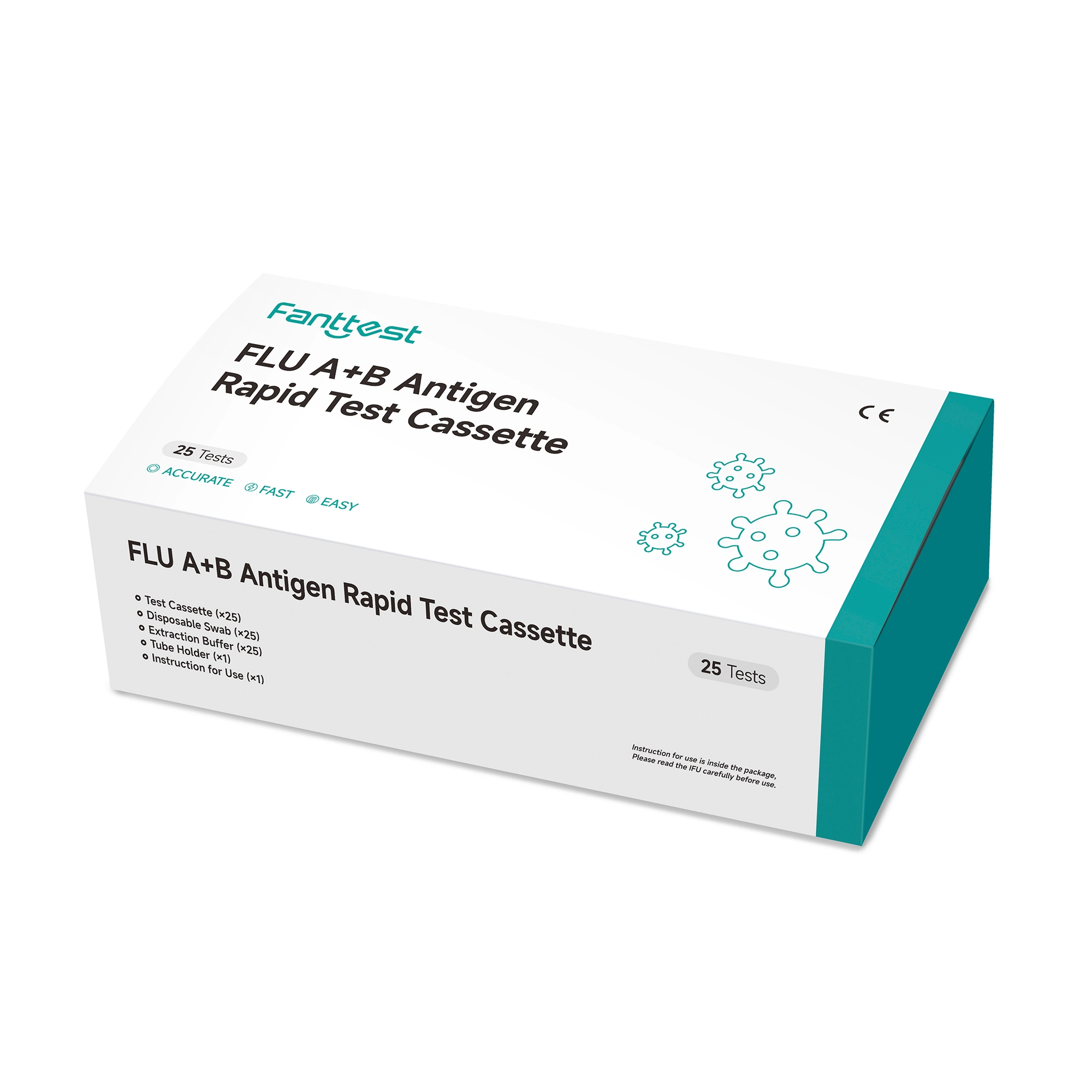
Depending on the product design, some rapid tests target a single pathogen, while multiplex respiratory tests can screen for several target pathogens in one test. These tests can support clinical assessment and help healthcare professionals determine appropriate next steps based on the overall clinical picture.
However, test results should not be interpreted in isolation. A negative result does not necessarily rule out infection. Factors such as symptoms, sampling time, specimen type, and testing method may affect the interpretation. Always follow the specific product's instructions for use, including specimen collection, testing procedures, and result interpretation.
As the weather gets cooler, maintaining healthy daily habits remains important. You can take several practical steps to reduce the risk of respiratory pathogen transmission:
Keep indoor spaces well ventilated and avoid spending prolonged periods in crowded, poorly ventilated environments.
Wash your hands regularly and cover your mouth and nose when coughing or sneezing.
If you develop respiratory symptoms, limit close contact with others and wear a mask when appropriate.
Get enough sleep, maintain a balanced diet, and follow local vaccination recommendations.
Seek professional medical advice if symptoms worsen or warning signs develop.
Changes in weather are part of everyday life, but symptoms such as coughing and fever should not automatically be dismissed as the result of cooler temperatures or a common cold.
Recognizing symptoms is the first step, but appropriate testing and timely medical care are equally important. By improving our understanding of respiratory infections, we can respond more thoughtfully to illness and take practical steps to protect our health and the people around us.