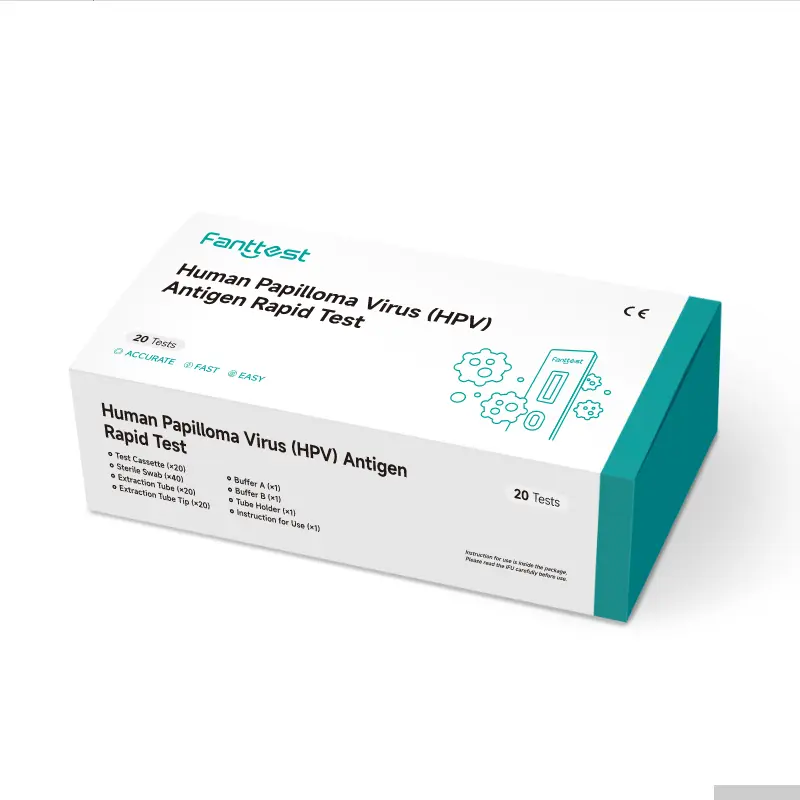
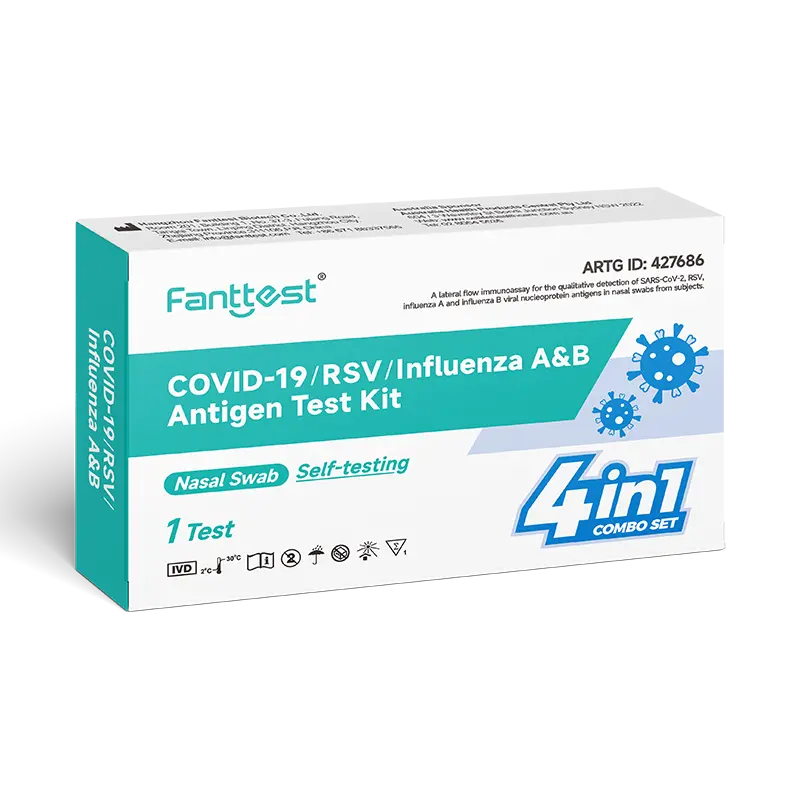
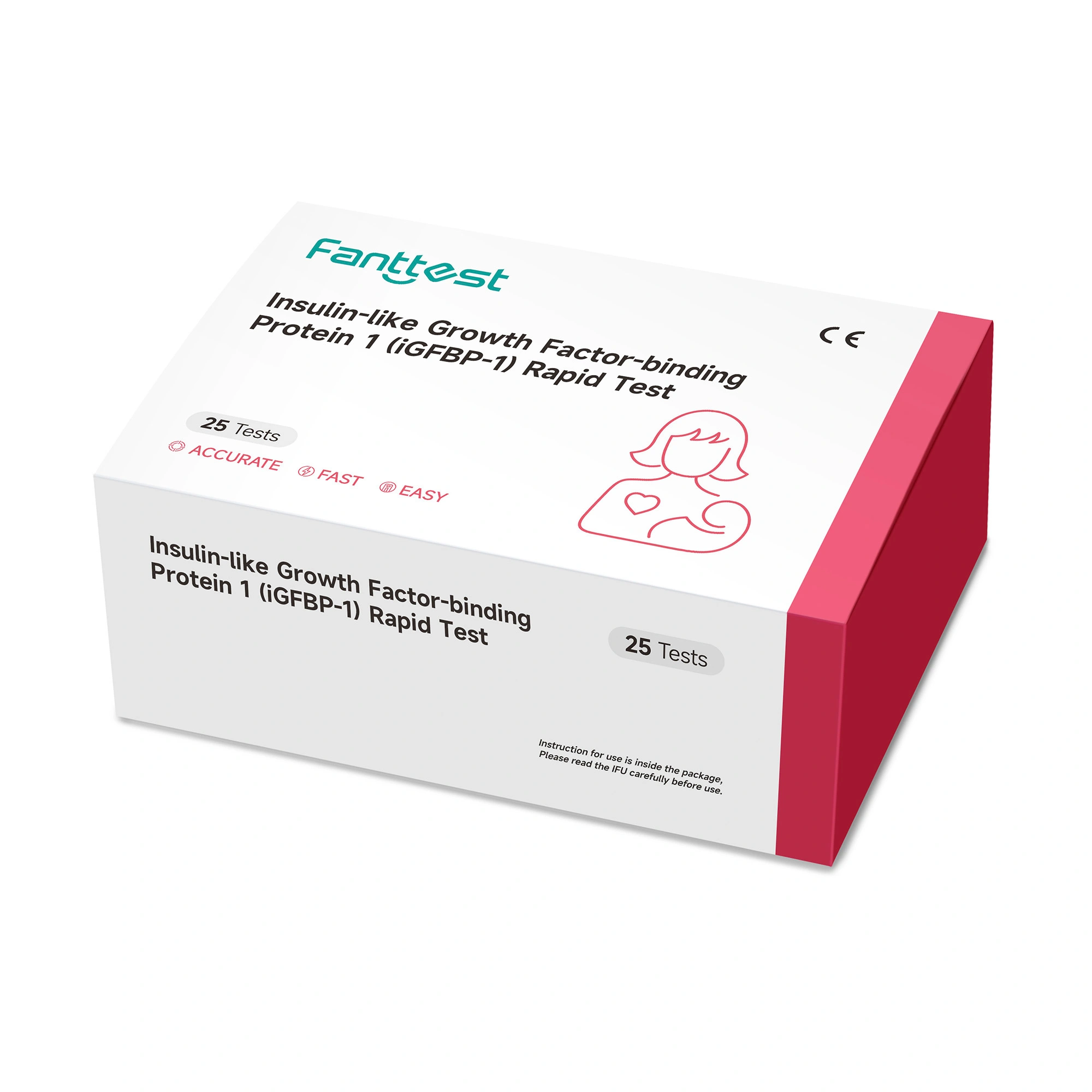
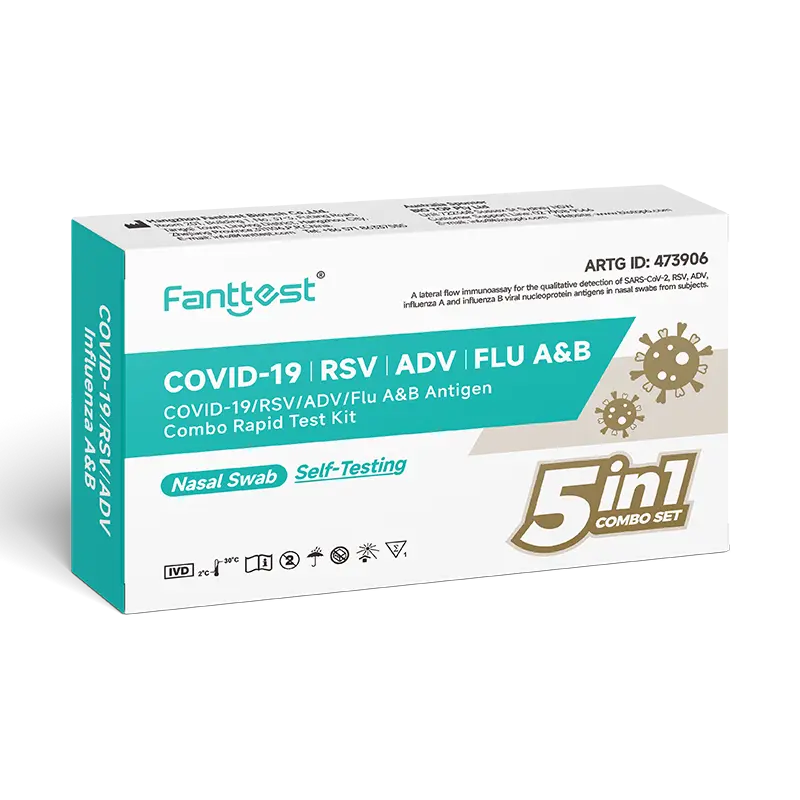
Choosing a rapid test kit manufacturer requires checking product suitability, regulatory documents, performance evidence, production quality, and supply reliability. Price is certainly important, but the procurement plan must also meet the needs of the intended users, target market, and actual distribution conditions.
For distributors, pharmacies, and institutional procurement customers, it is advisable to establish written product specifications before comparing quotations. WHO procurement guidelines emphasize that diagnostic products should be suitable for the intended users and use settings, while also taking stability and shelf life into account.
The following checklist can be used to evaluate suppliers and plan bulk procurement of rapid test kits.
First, clearly define the testing requirements to avoid asking suppliers only about “rapid test kits” in general terms.
Specify the disease or biomarker, testing method, specimen type, intended users, and use setting. Antigen tests, antibody tests, and molecular tests provide different information and cannot be directly substituted for one another.
For combination test products, list each required target individually. For example, a COVID-19 and influenza A/B combination test is not the same as a test combination that also includes RSV or adenovirus.
Procurement requirements should include:
Exact test targets and product format.
Required specimen type.
Professional-use or self-testing requirements.
Target countries and sales channels.
Estimated procurement volume and delivery schedule.
A suitable rapid test kit supplier should respond to these requirements and clearly specify the model of the recommended product.
Document verification should cover the exact model and target market. A company’s display of multiple certificates does not prove that all of its products can be used in every market and for every intended purpose.
Request the applicable registration or conformity documents, current labels, and instructions for use, then cross-check the manufacturer, product identification, intended use, and relevant scope and validity information.
ISO 13485 applies to quality management systems for medical devices and cannot be equated with a general market authorization for every diagnostic product. TGA clearly distinguishes between ISO 13485 quality-system assessments and regulatory reviews of specific IVD products.
Where an official regulatory database is available, verify the corresponding record. Before placing an order, also clarify who is responsible for local registration, importation, and ongoing regulatory obligations.
A single “accuracy” percentage is insufficient for comparing diagnostic products.
Request supporting data on sensitivity and specificity, and review the reference method, study population, sample size, and confidence intervals. Combination test products should provide data for each target separately.
Also review analytical performance information such as the limit of detection, cross-reactivity, and potential interfering substances.
It is advisable to focus on the following questions:
Did the study use the intended specimen type?
Did the study population match the characteristics of the target patients or users?
What limitations are listed in the instructions for use?
Does the data presented correspond to the model being procured?
Do not directly apply performance data from one product made by the same manufacturer to other models. It is advisable to create a comparison table and retain the study context for each performance data set.
A reliable rapid test kit manufacturer needs to support production consistency and issue investigations through written procedures.
Check the scope of the relevant quality-system certificates and confirm the manufacturing site responsible for the product being procured. ISO defines ISO 13485 as a quality management system standard specifically intended for medical devices and regulatory purposes.
Understand how the supplier manages batch identification, release documents, retention samples where applicable, and changes to components or instructions.
Agree in advance on which records will accompany each shipment. If customers repeatedly report invalid results, the purchaser should be able to quickly identify the affected batches, remaining inventory, and distribution records.
For rapid test kit wholesale procurement, total shelf life is only one part of the assessment. The remaining shelf life upon arrival determines the time available for subsequent storage, distribution, and use.
For example, a product with a stated shelf life of 24 months may have only a limited amount of time remaining when it arrives. Therefore, agree on the minimum acceptable remaining shelf life upon receipt rather than referring only to the brochure.
Verify the storage conditions specified on the label and the validated permissible transportation conditions, while also considering customs delays, seasonal temperatures, and downstream warehouse environments.
WHO lists product stability and acceptable shelf life as important procurement factors.
Before making a large-volume purchase, arrange an appropriate evaluation based on the product and intended use setting.
Check the packaging, component completeness, label legibility, specimen transfer tools, and result illustrations. Confirm that the instructions clearly explain sampling, timing, invalid results, and follow-up procedures.
Small-scale sample inspections can identify operational or packaging issues, but they cannot replace formal performance evidence or be used to determine clinical sensitivity and specificity.
For private-label projects, clarify and confirm before production who is responsible for packaging design approval, translation, product identity, and document updates.
The lowest unit price does not necessarily mean the lowest overall procurement cost.
| Cost or Supply Factor | What Needs to Be Confirmed |
|---|---|
| Product price | Per-person price and included components |
| Transportation | Freight, insurance, delivery terms, and temperature requirements |
| Importation | Applicable tariffs, customs clearance, and registration fees |
| Inventory | Minimum order quantity and losses from expiration |
| Use support | Training, accessories, and customer support |
| Continuity of supply | Lead times, delivery schedules, and change notifications |
When planning bulk procurement of rapid test kits, determine quantities based on demand forecasts. If a large inventory cannot be used before expiration, even a higher discount may lose its value.
Commercial agreements should also include complaint handling, investigation timelines, and arrangements for replacement or refund credits.
Fanttest’s published company information describes its IVD diagnostic reagent business and states that it holds ISO 13485 and MDSAP certifications. Its product range covers rapid testing categories such as respiratory diseases, tropical infectious diseases, and intestinal diseases. When making a procurement inquiry, you can provide the target market, required products, intended users, estimated quantities, and delivery requirements. Before finalizing the purchase, request the specific documents applicable to the recommended model.
It is advisable to first request the product specifications, current instructions for use, applicable market authorization documents, relevant quality-system certificates, and performance evidence.
No. It supports quality-system assessment, but product suitability, performance, and target-market requirements must still be verified separately.
Confirm with the supplier whether this service is available. Before project approval, clarify the minimum quantity, packaging design, labeling responsibilities, and any applicable regulatory requirements.
Use the same product specifications, procurement volume, delivery terms, and remaining shelf-life requirements to compare the complete cost and written service commitments.
A suitable rapid test kit supplier should provide clear product identification, credible evidence, traceable batches, and actionable supply commitments. Evaluating suppliers using a standardized written checklist helps distributors select products that meet market needs and establish more reliable procurement partnerships.