Respiratory infections have long been an important concern for healthcare providers, diagnostic laboratories, pharmacies, and the home testing market worldwide. Because infections caused by pathogens such as influenza, respiratory syncytial virus (RSV), and SARS-CoV-2 may present with similar symptoms, it is often difficult to accurately determine the type of infection based on clinical symptoms alone.
Reliable diagnostic tools can help healthcare professionals make more informed judgments while supporting patient management and infection control. Rapid antigen testing is a practical method for pathogen detection, particularly in situations where timely screening is needed. Understanding the different testing methods, target pathogens, and product specifications can help medical procurement professionals select diagnostic products suited to the needs of their markets.
Respiratory infections may cause symptoms such as fever, coughing, sore throat, nasal congestion, and fatigue. However, these symptoms may be associated with a variety of pathogens, including influenza A and B viruses, respiratory syncytial virus (RSV), SARS-CoV-2, and adenovirus.
RSV is particularly important in pediatric care and may also cause severe illness in older adults and other vulnerable populations. Influenza can lead to pronounced seasonal outbreaks, while COVID-19 continues to present certain diagnostic challenges because its symptoms overlap with those of other respiratory diseases.
It is usually difficult to reliably distinguish these infections based on clinical assessment alone. Diagnostic testing can provide additional information to help healthcare professionals make appropriate clinical decisions. The specific testing method selected depends on factors such as the suspected pathogen, the time since symptom onset, the patient population, the specimen type, and applicable clinical guidelines.
Rapid antigen tests detect pathogens by identifying specific viral or bacterial components in collected specimens. Unlike molecular diagnostic methods, which detect genetic material, antigen tests identify target antigens through an immune response. Many rapid antigen testing products use lateral flow technology, allowing results to be interpreted within a short period without complex laboratory equipment.
For healthcare providers and diagnostic product distributors, suitable rapid antigen test kits can support screening in clinical settings and other situations consistent with the products' intended use. Test performance may be affected by factors such as product design, specimen quality, sampling time, and pathogen concentration.
A negative result does not necessarily mean that no infection is present, particularly during the early or late stages of infection or when the pathogen concentration is below the detection limit. Therefore, users should follow the product instructions and applicable clinical guidance when interpreting test results.
For this reason, when selecting testing products, particular attention should be paid to the product's intended use, validated test performance, applicable certification requirements, and clear, easy-to-understand operating instructions. These factors are important for both healthcare professionals and diagnostic product procurement personnel.
When evaluating respiratory diagnostic products, procurement personnel should focus on the pathogens covered by the test, specimen requirements, intended user population, result interpretation method, regulatory requirements, and packaging specifications.
RSV screening typically uses specially designed RSV rapid tests or RSV antigen test kits to detect respiratory syncytial virus antigens in specified specimens. When selecting a product, users should confirm that it is suitable for the intended testing scenario and complies with local regulatory requirements.
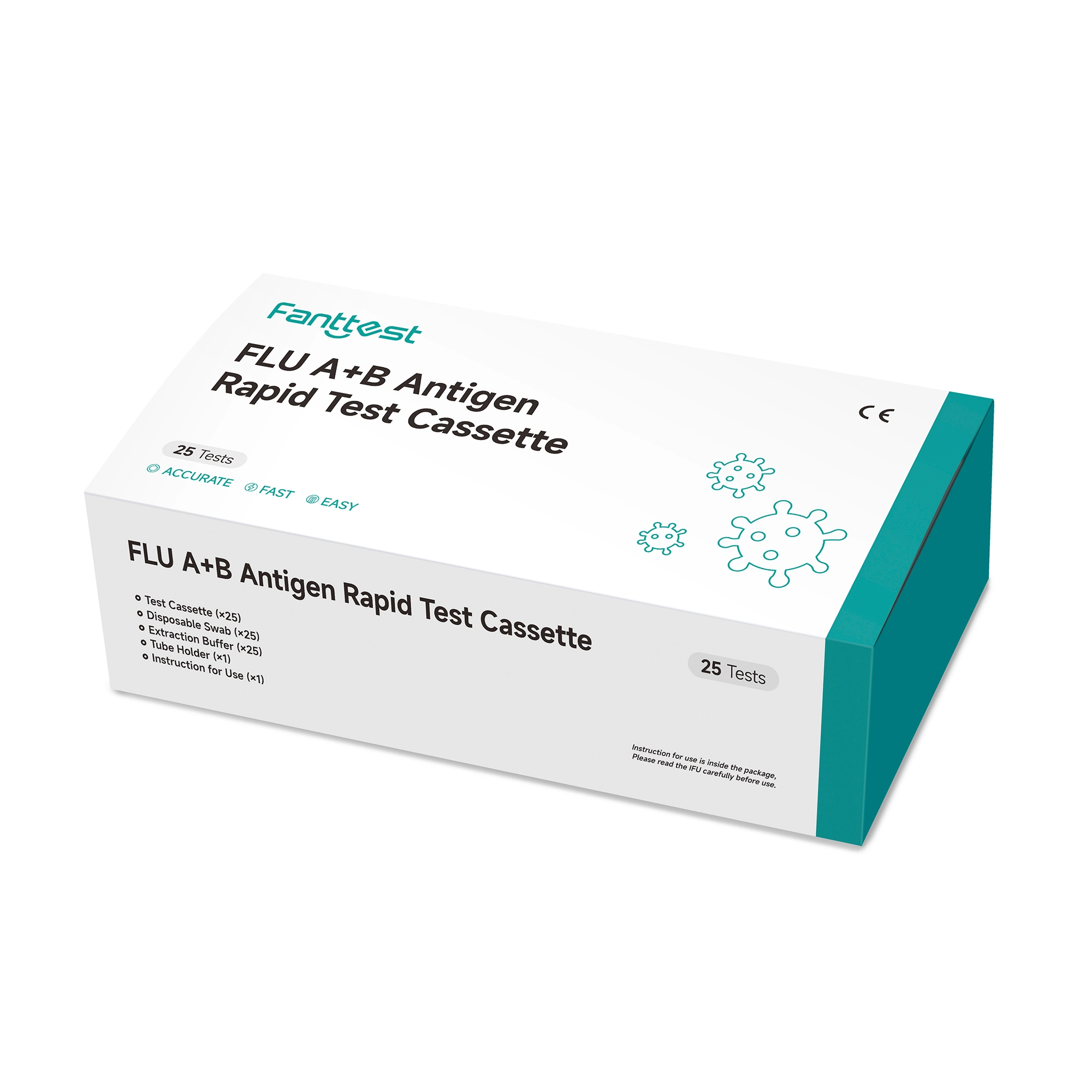
Influenza testing is also an important part of respiratory diagnostics. Influenza test kits used to detect influenza A and B viruses can help identify these pathogens and provide information for differentiating them from other diseases that may cause respiratory symptoms. Procurement personnel can learn more about relevant products through the FLU A+B Influenza A and B Antigen Rapid Test Kit.
When multiple pathogens may cause similar clinical presentations, combination testing can provide a more convenient screening solution. If appropriately validated, a COVID-19/RSV/Influenza A&B combination antigen test kit can detect multiple target pathogens using a single specimen. Some more comprehensive products may also cover adenovirus.
For example, COVID-19, influenza, and RSV combination test kits are suitable for situations requiring simultaneous screening for these pathogens. Fanttest's COVID-19/RSV/ADV/Influenza A and B Antigen Combination Rapid Test Kit is designed to detect antigens of SARS-CoV-2, RSV, adenovirus, influenza A virus, and influenza B virus in nasal swab specimens.
When differential diagnosis involves adenovirus, dedicated adenovirus testing may also be valuable. When selecting an adenovirus antigen rapid test kit, procurement personnel should verify the product's intended use and specimen requirements in advance.
1. Which pathogens can respiratory rapid antigen test kits detect?
Depending on the product design, respiratory test kits may detect influenza A and B viruses, RSV, SARS-CoV-2, adenovirus, and other respiratory pathogens. Not all products cover every target, so product specifications should be carefully reviewed before procurement.
2. What is the difference between an RSV rapid test and a combination test?
An RSV rapid test primarily targets respiratory syncytial virus, while a combination test can detect multiple pathogens using a single specimen when supported by the validated product design. Combination testing may be more practical when different infections cause similar symptoms.
3. Does a negative rapid antigen test result mean that there is no respiratory infection?
Not necessarily. A negative result cannot completely rule out an infection. Test sensitivity, specimen collection quality, testing time, and pathogen concentration may all affect the result. If symptoms persist or worsen, follow the product instructions and seek professional medical advice.
4. What factors should distributors consider when purchasing respiratory test kits?
Distributors should evaluate the test's target coverage, test performance, intended use, regulatory approval requirements in the target market, shelf life, storage conditions, packaging specifications, and the manufacturer's support capabilities. Relevant supporting documents should also be verified for the specific product and target market.
5. Where can procurement personnel learn about respiratory diagnostic products?
Medical procurement personnel can browse Fanttest's range of rapid test products for respiratory infectious diseases, compare different product categories, and select suitable testing solutions based on their actual procurement needs.
Timely identification of respiratory pathogens is an important part of supporting appropriate clinical assessment and infection management. Rapid antigen testing provides practical screening options for influenza, RSV, COVID-19, and other respiratory pathogens, while combination test kits can better address the diagnostic challenges posed by similar symptoms across different pathogens through multi-target testing.
For healthcare providers, diagnostic product distributors, and procurement teams, selecting suitable testing products requires comprehensive consideration of intended use, validated test performance, specimen requirements, regulatory compliance, and local market needs. Fanttest offers a variety of respiratory diagnostic products to meet procurement personnel's different needs for pathogen-specific testing and combination testing solutions. By carefully reviewing product information and confirming the specific requirements of the target market, businesses can make more informed procurement decisions.