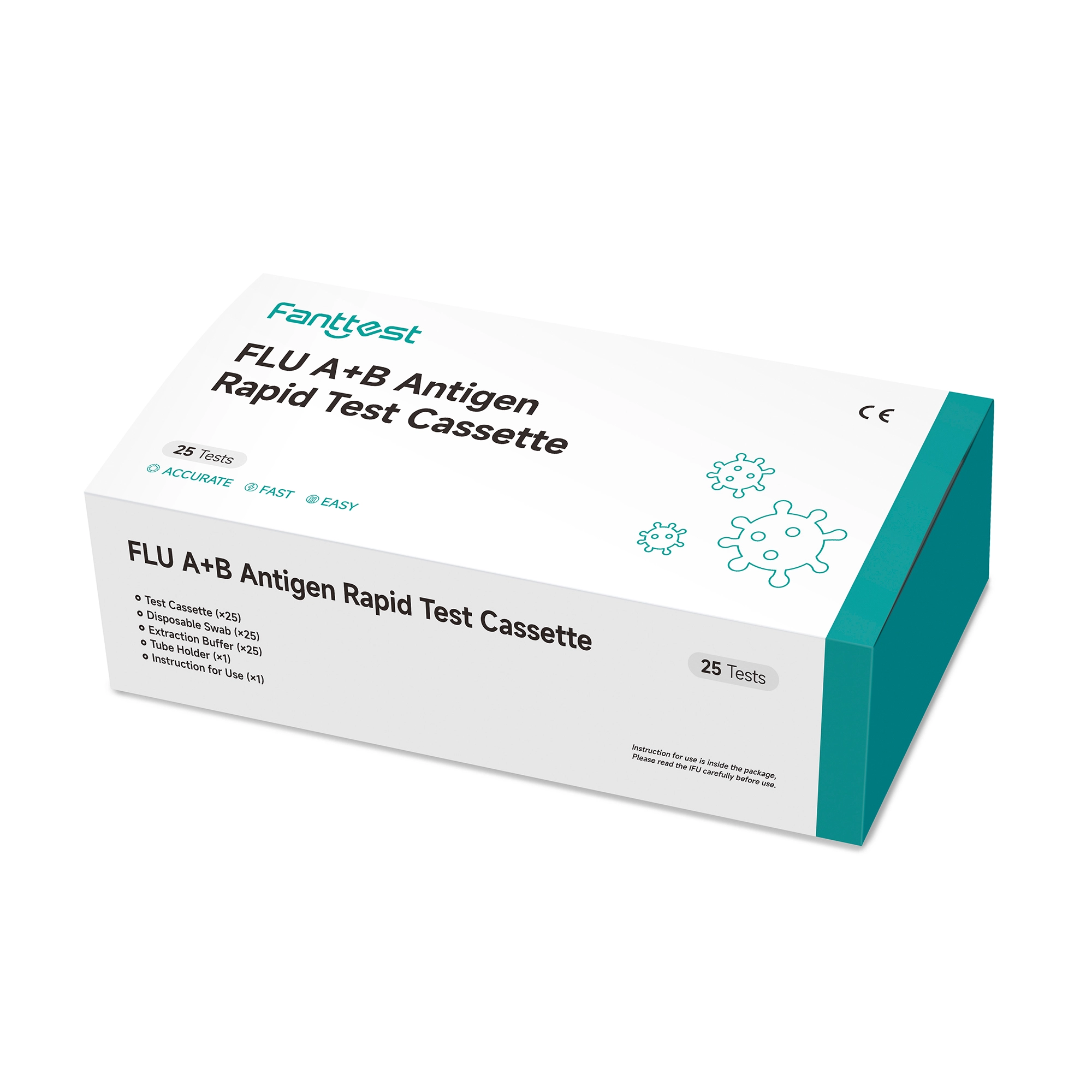
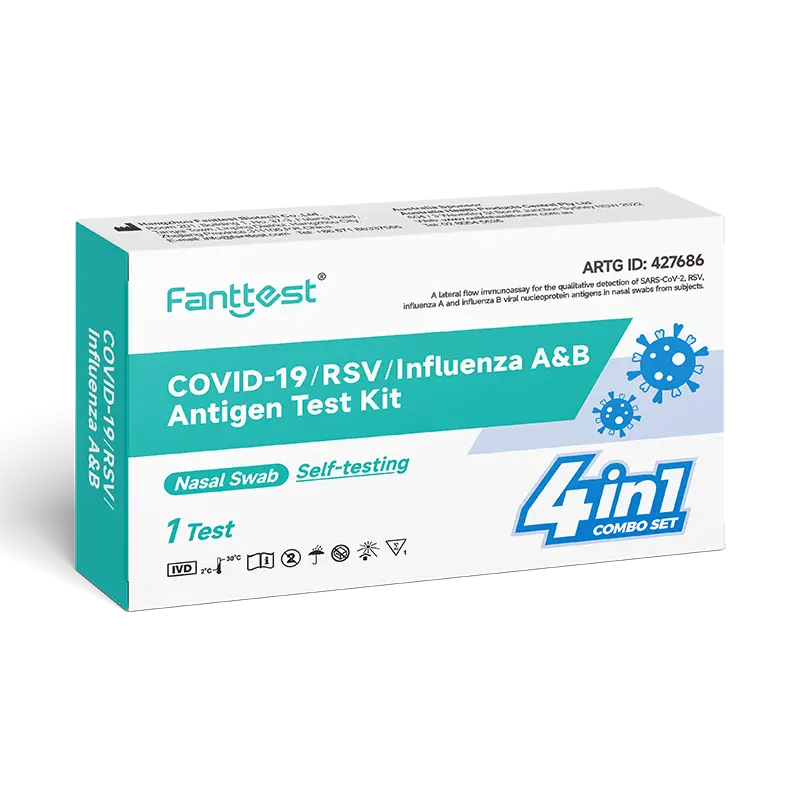
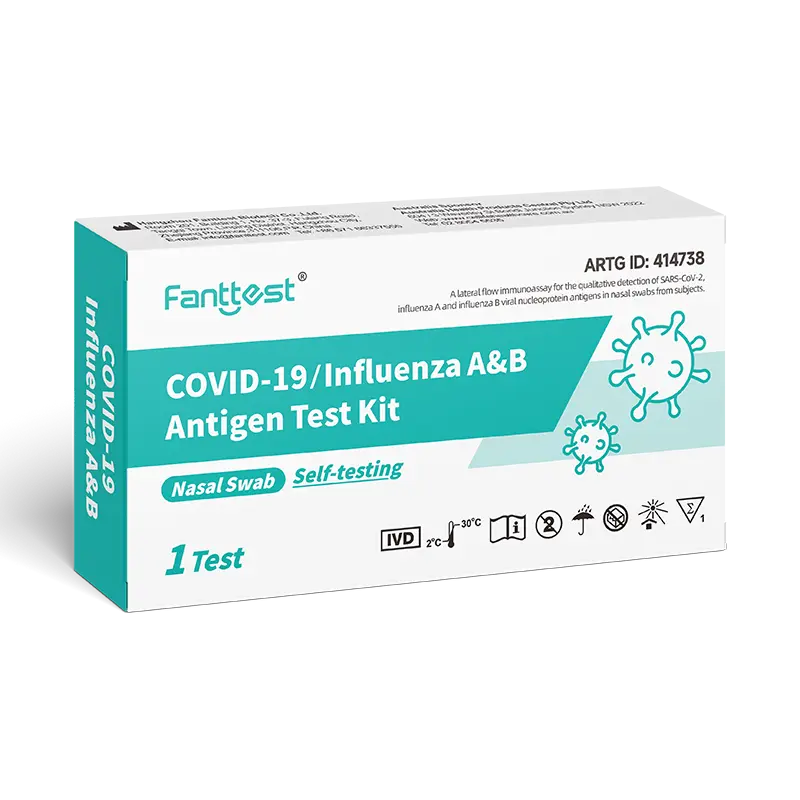
You feel sick: cough, fever, maybe fatigue. Is it COVID? The flu? Something else? This 5-in-1 test kit helps end the guesswork fast.
This Fanttest Rapid Test Kit rapid test checks one nasal sample for five common respiratory viruses: COVID-19, Influenza A, Influenza B, RSV, and Adenovirus. You get results in just 15 minutes at home, helping clarify the cause of your illness quickly.
Feeling unwell is stressful enough without wondering what you actually have. Symptoms often overlap, making it hard to know. Knowing the specific virus is more important than you might think. Let's look into why differentiating these viruses matters.
A cough is a cough, right? Not quite. Different viruses mean different risks and treatments. Knowing the cause helps you take the right steps.
Identifying the specific virus is key. Flu might need antivirals. RSV poses risks to infants. COVID requires specific isolation rules. Knowing helps manage your health and protect vulnerable people around you.
It's easy to think, "I'm sick, I'll just rest." But knowing which virus is causing your symptoms can make a big difference. Here's why:
Targeted Treatment:
Influenza A & B: Antiviral drugs like Tamiflu can shorten illness duration and reduce severity, but they work best when started early (within 48 hours of symptoms). You need to know it's flu to get this treatment prescribed.
COVID-19: Specific antivirals like Paxlovid might be recommended for high-risk individuals, again requiring confirmation of COVID-19.
RSV & Adenovirus: Treatment is mainly supportive (rest, fluids, fever control). However, knowing it's RSV is crucial for infants or older adults, as it can lead to severe conditions like bronchiolitis or pneumonia, requiring hospitalization.
Protecting Others:
Isolation Guidelines: COVID-19 often has stricter and longer isolation recommendations than the flu or common cold viruses like Adenovirus. Knowing helps you follow the right rules to prevent spreading it.
High-Risk Contacts: If you have RSV, you'd want to be extra careful around babies and the elderly. If it's flu, protecting pregnant individuals or those with chronic conditions becomes a priority.
Understanding Your Illness:
Knowing the cause can provide peace of mind and help you anticipate the illness's typical course and duration. It also helps public health officials track outbreaks.
Here's a simple breakdown:
| Virus | Potential Specific Treatment | Key Risk Groups | Main Concern |
| COVID-19 | Antivirals (e.g., Paxlovid) | Elderly, Immunocompromised | Severe disease, Long COVID |
| Flu A/B | Antivirals (e.g., Tamiflu) | All ages, esp. vulnerable | Complications (pneumonia) |
| RSV | Supportive (mostly) | Infants, Elderly | Bronchiolitis, Pneumonia |
| Adenovirus | Supportive | Children, Military recruits | Varies (cold to pneumonia) |
Clearly, telling these viruses apart helps ensure appropriate care and prevention steps are taken. That's where a combo test becomes very useful.
Testing for five different viruses with one home rapid antigen test kit seems complicated. How can it deliver results so quickly? It's simpler than you think.
The test uses a nasal swab to detect specific proteins (antigens) unique to each virus. You mix the swab sample with a solution, apply it to the test cassette, and wait 15 minutes. Lines appear indicating which virus antigens were found.
This Fanttest kit uses a method called lateral flow immunoassay, similar to most rapid COVID-19 home tests. Here's a simple way to think about it:
The Target: Antigens
Viruses have unique proteins on their surfaces, called antigens. Think of these like tiny identification tags. This test looks for the specific tags belonging to COVID-19, Flu A, Flu B, RSV, and Adenovirus.
The Sample Collection
You use a nasal swab to collect a sample from just inside your nostrils. This collects mucus and cells that might contain virus particles (and their antigens).
The Extraction
You mix the swab tip in a small tube of liquid (buffer). This liquid helps break open virus particles and release the antigens into the solution.
The Test Cassette
The cassette (the plastic test device) contains multiple test strips, one for each virus plus a control strip. Each strip has specific antibodies fixed onto it – these act like "catchers" designed to grab only one type of antigen tag.
When you drop the liquid sample onto the cassette, it flows along these strips.
The Results
If antigens from a specific virus (say, Flu A) are present in your sample, they get caught by the matching antibodies on the Flu A strip. This triggers a reaction that makes a visible line appear.
There's also a control line (usually marked 'C') that should always appear if the test worked correctly.
So, if the control line and the Flu A line appear, you've tested positive for Flu A. If only the control line appears, the test is negative for all five viruses.
This antigen-antibody binding process happens quickly, allowing results within 15 minutes. It's much faster than PCR tests, which look for viral genetic material and require lab processing. The convenience of getting five results from one sample makes it efficient.
Home testing is convenient, sure. But can you really trust one test to accurately check for five different viruses? Reliability is a key concern.
Fanttest's COVID-19/RSV/ADV/Flu A&B Antigen 5-in-1 combo test kit generally offers high accuracy (good sensitivity and specificity) when instructions are followed correctly, especially during peak symptoms. However, no test is 100% perfect; confirm results with a doctor if you're very ill or results seem off.
Like all diagnostic tests, the reliability of this combo kit depends on several factors. Fanttest designs its products, including this CE-marked kit, aiming for high performance, but understanding these points helps:
Timing of the Test:
Antigen tests work best when the amount of virus in your system (viral load) is highest. This is typically within the first few days after symptoms start. Testing too early or too late might lead to a false negative (the test says you're negative, but you actually have the virus).
Quality of the Sample:
Getting a good nasal swab sample is crucial. You need to collect enough mucus and cells. Not swabbing correctly (not inserting deep enough, not swirling enough) is a common reason for inaccurate results, usually false negatives. Follow the kit's instructions precisely.
Following Instructions:
Using the correct number of drops of buffer, waiting the exact amount of time (not too short, not too long), and interpreting the lines correctly are all important. Deviating from the instructions can compromise the result.
Sensitivity and Specificity:
Sensitivity means how well the test detects the virus when it's truly present (few false negatives). Specificity means how well the test correctly identifies those without the virus (few false positives). Reputable manufacturers like Fanttest provide data on these metrics for their tests, often showing high percentages (e.g., >95%) under ideal conditions.
Practical Considerations:
A positive result on any line, along with symptoms, strongly suggests infection with that virus.
A negative result is reassuring, but if symptoms persist or worsen, or if you have high-risk exposure, it doesn't completely rule out infection. Consider retesting 24-48 hours later or consulting a healthcare provider. They might suggest a different test type (like PCR) or make a diagnosis based on your clinical picture.
This test provides valuable information quickly, aligning with Fanttest's mission to empower self-monitoring, but it's a tool to be used alongside common sense and professional medical advice, especially for treatment decisions or severe illness.
This Fanttest 5-in-1 combo kit gives you fast insights into common respiratory illnesses. Knowing the specific virus helps you, your family, and your doctor make better health decisions.