Drug screening has become an essential component of modern safety and compliance systems across industries worldwide. From workplace safety programs to law enforcement and rehabilitation services, reliable screening solutions play a critical role in supporting decision-making and risk management.
However, choosing the right testing method and understanding regulatory differences can be complex—especially for distributors and organizations operating across multiple regions.
This article provides a clear overview of the key concepts in drug screening, including testing methods, cut-off levels, and real-world applications.
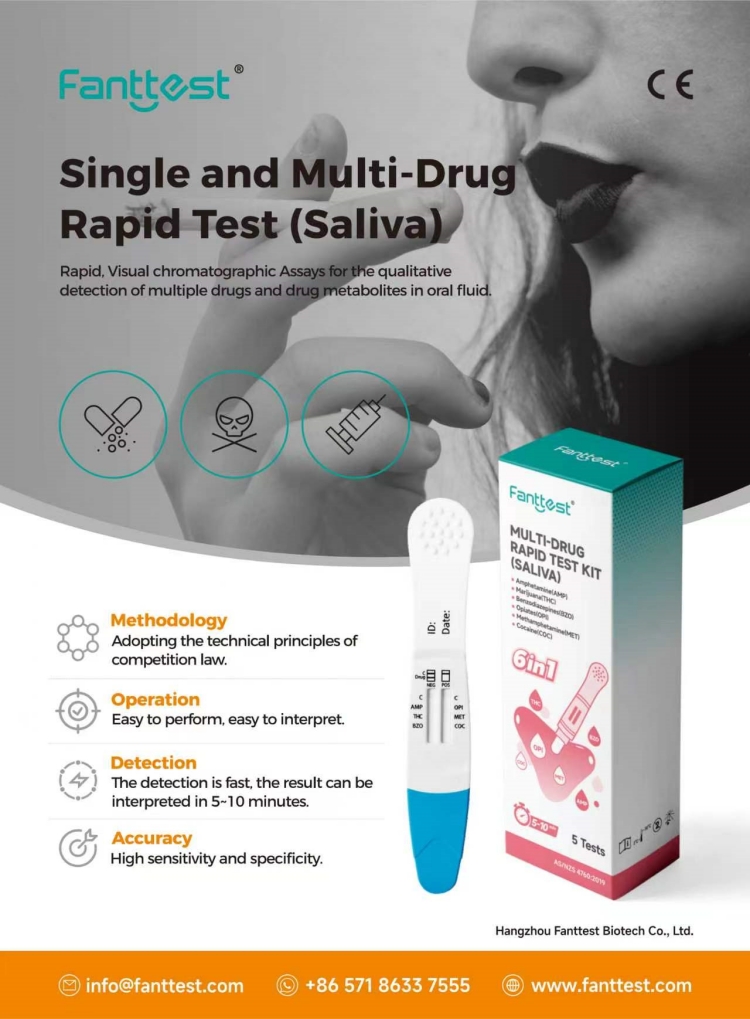
Drug screening refers to the process of detecting the presence of specific substances in biological samples such as saliva or urine.
Unlike laboratory confirmation methods, rapid screening tests are typically used for:
Preliminary detection
On-site decision-making
Routine monitoring
These tests are designed to provide fast and reliable results, often within minutes, making them highly suitable for field applications.
Two of the most widely used sample types in rapid screening are saliva and urine. Each method has its own advantages depending on the application scenario.
Saliva testing has gained increasing popularity due to its convenience and real-time detection capabilities.
Key advantages include:
Non-invasive sample collection
Reduced risk of sample tampering
Suitable for on-site and roadside screening
Better indication of recent substance use
Because of these features, saliva testing is often used in:
Workplace safety checks
Traffic enforcement
Situations requiring immediate results
Urine testing remains one of the most established and widely accepted methods in drug screening.
Key advantages include:
Longer detection window
Established regulatory acceptance
Cost-effective for large-scale testing programs
It is commonly used in:
Laboratory environments
Rehabilitation programs
Routine monitoring and compliance testing
Rather than replacing one another, saliva and urine testing are often used in complementary ways. The choice depends on factors such as:
Testing environment
Required detection window
Regulatory requirements
Operational efficiency
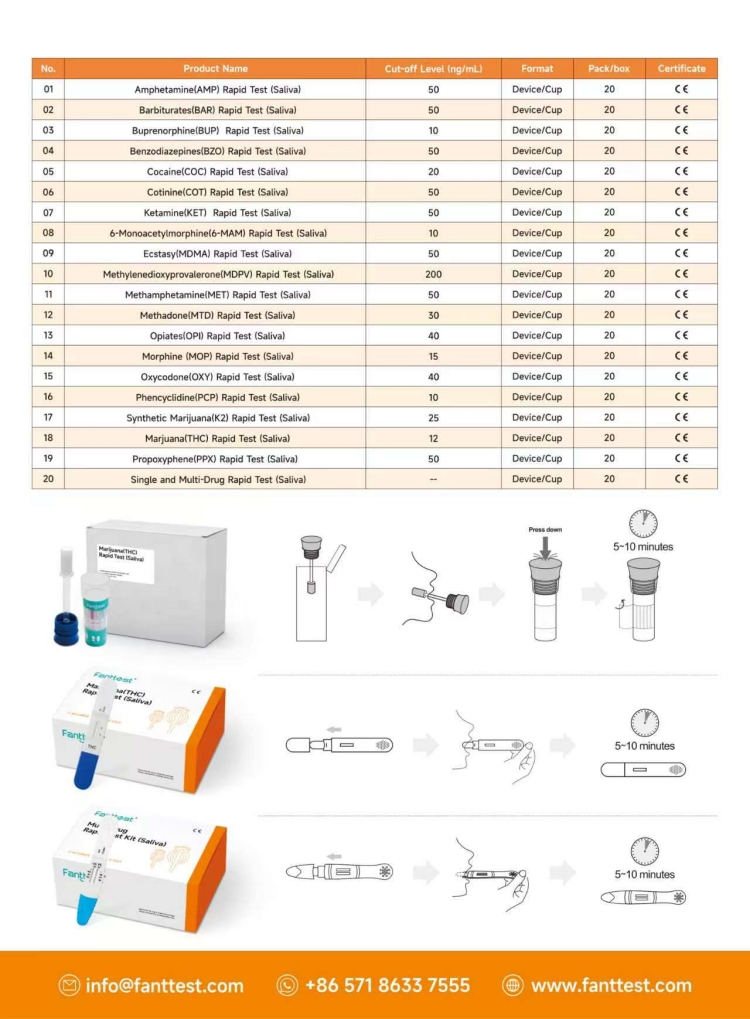
One of the most critical—but often misunderstood—concepts in drug screening is the cut-off level.
A cut-off level is the predefined concentration threshold at which a test result is considered positive.
If the detected substance concentration is:
Above the cut-off → Positive result
Below the cut-off → Negative result
Cut-off levels are not universal. They differ depending on:
National regulations
Industry standards
Application scenarios (e.g., workplace vs clinical)
For example, one country may adopt stricter thresholds for safety-sensitive industries, while another may follow different guidelines based on policy or enforcement practices.
For distributors and organizations operating internationally, varying cut-off standards can create several challenges:
Managing different product specifications
Ensuring compliance with local regulations
Avoiding delays in product approval and registration
This makes flexibility in cut-off configuration a key factor when selecting a supplier.
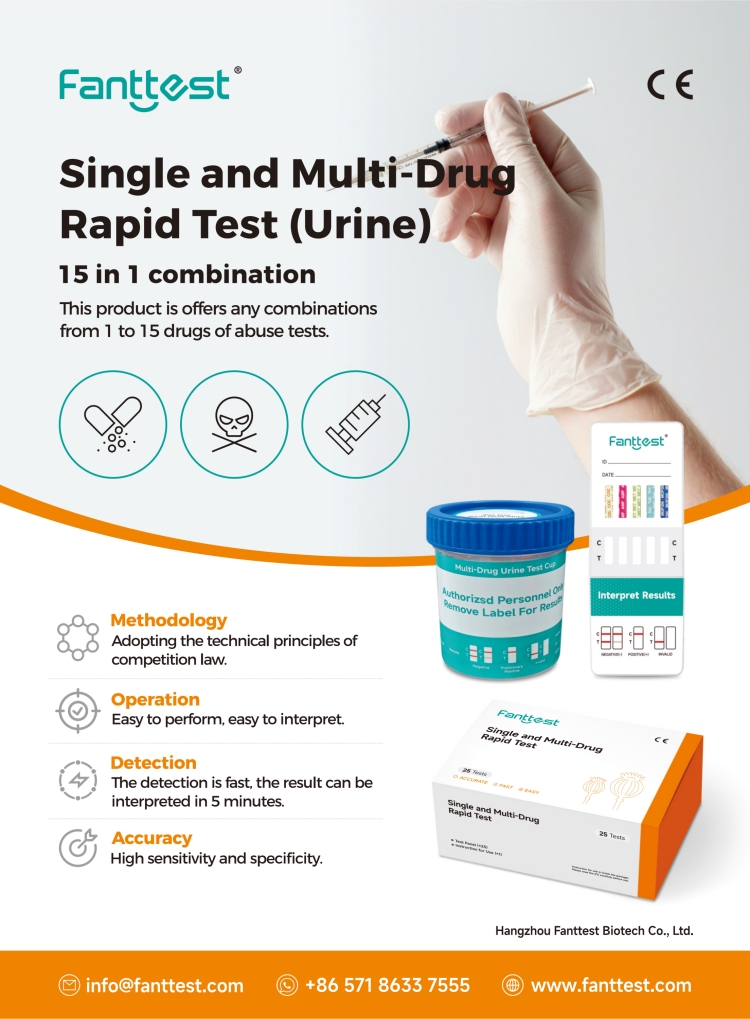
Modern screening solutions often support multi-panel configurations, allowing multiple substances to be tested simultaneously using a single device.
Benefits include:
Improved efficiency
Reduced testing time
Simplified operations
Customizable combinations based on market needs
This flexibility is particularly valuable for:
Distributors serving multiple regions
Organizations with diverse testing requirements
Drug screening solutions are used across a wide range of industries and scenarios:
Organizations implement screening programs to:
Reduce workplace accidents
Ensure employee safety
Comply with regulations and insurance requirements
Rapid screening enables:
Immediate on-site decision-making
Efficient traffic safety enforcement
Non-invasive testing procedures
Screening supports:
Ongoing recovery programs
Regular monitoring
Data-driven decision-making by professionals
Urine-based testing is commonly used for:
Routine analysis
Confirmatory workflows (in combination with lab methods)
Long-term monitoring
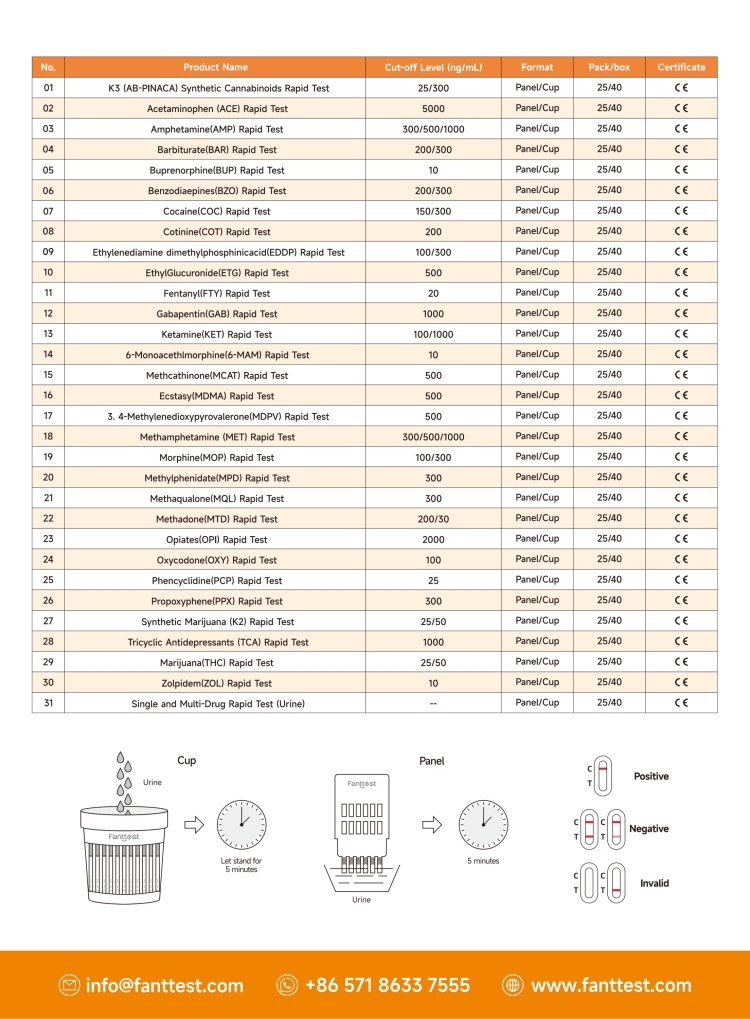
When evaluating drug screening products, several factors should be considered:
Sample type (saliva vs urine)
Cut-off level compatibility with target markets
Panel configuration flexibility
Ease of use and result interpretation
Manufacturing reliability and supply stability
Choosing the right combination of these factors can significantly impact both operational efficiency and regulatory compliance.
Drug screening is not a one-size-fits-all solution. Differences in application scenarios, regulatory environments, and operational needs require flexible and well-designed products.
Understanding testing methods, cut-off levels, and real-world applications is essential for making informed decisions—whether you are a distributor, healthcare provider, or organization implementing a screening program.
As global demand for safety and compliance continues to grow, adaptable and reliable screening solutions will play an increasingly important role across industries.